
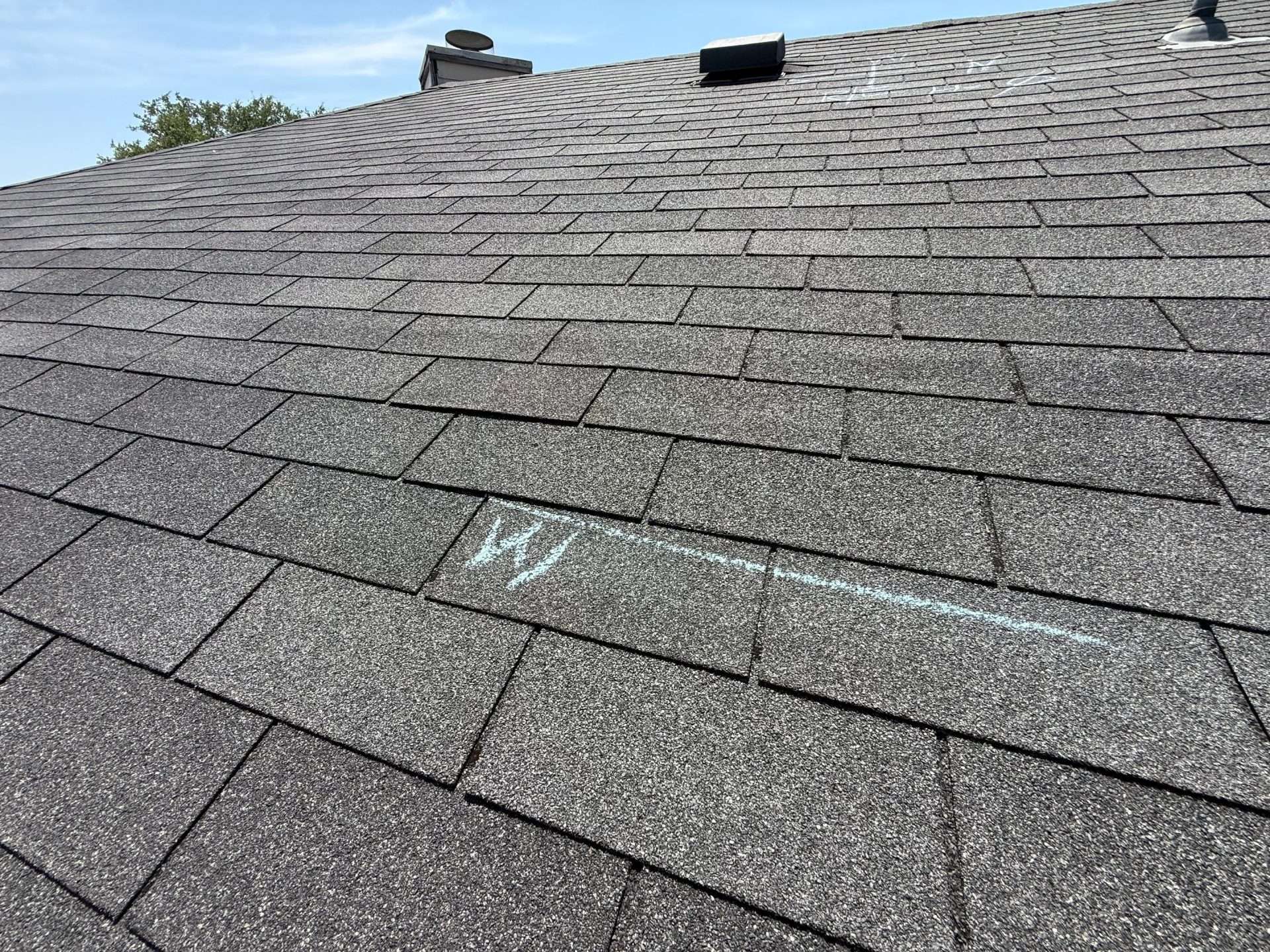
Most claim denials aren’t mysterious — they fall into a handful of categories, and nearly every one is either preventable or answerable. Here’s what sinks roof claims in Texas, and how to keep yours off the list.
The Five Most Common Denials — and How to Avoid Them
“Wear and tear, not storm damage” — countered by standards-based documentation tying damage to a dated storm event. “Late reporting” — avoided by inspecting and filing promptly. “Pre-existing damage” — defeated by baseline photos and quick post-storm documentation. “Neglect / failure to mitigate” — avoided by tarping active leaks immediately and keeping receipts. “Below deductible” — avoided by full-property documentation, since roof-only claims miss gutters, screens, fencing, and painting that push legitimate scope past the threshold. The thread: every major denial category is prevented or answered by early, thorough, professional documentation.
What Voids a Roof Claim Entirely?
Misrepresentation — exaggerating damage or misstating the loss date is fraud and voids coverage. Material policy breaches — missed deadlines, refused inspections, failure to protect the property from further damage. Unrepaired prior damage — carriers can attribute new problems to old neglect. Non-storm causes — improper installation and foot-traffic damage aren’t covered perils. Deductible fraud — participating in a contractor’s deductible-waiving scheme is a crime in Texas and gives your carrier grounds to withhold payments. Honest claims, honestly documented, don’t get voided.
Can You File Years After the Damage?
Texas policies require “prompt” notice, and while up to about a year has often been treated as reasonable, late claims face steep headwinds: which storm caused it, whether deterioration since is neglect, whether the delay prejudiced the investigation. Some policies carry explicit deadlines. If you just discovered older damage: get it professionally documented now, check your policy language, and talk to your agent promptly — weather data can tie damage to a specific dated event. Going forward, inspect after every significant storm; a free 30-minute inspection beats arguing about a two-year-old hailstorm.
What If You Don’t Repair After Approval?
You generally can’t be forced to repair, but the consequences stack: you forfeit recoverable depreciation (often a third or more of the claim); your carrier now has documented, unrepaired damage on file — future claims invite denial for pre-existing damage or neglect, and renewal can be at risk; and mortgage lenders, who often co-endorse claim checks, typically require the funds go to repairs. If the approved scope felt wrong, the answer is supplements, re-inspection, or appraisal — not pocketing the ACV check.
Can You Keep the Money If Repairs Cost Less?
The payment structure mostly answers this: carriers pay ACV first and hold recoverable depreciation until you prove completion — “keeping the difference” usually means forfeiting depreciation and ending up with less than the repair needs. Genuinely completing the approved scope for a bit less isn’t typically an issue, but under-building the scope while invoicing full completion crosses into fraud. The clean approach: build the approved scope with quality materials, put savings into upgrades like Class 4 shingles, and close the claim with an invoice that matches reality. That’s how we run every insurance job.
Free, Photo-Documented Roof Inspections in DFW
American Prime General Construction is a veteran-led, BBB A+ accredited roofing and general contractor based in Richardson, serving the DFW metroplex. Our BEI-credentialed inspectors document storm damage to professional standards — free, with no obligation. Call or text our 24/7 storm line at (469) 888-8326 or request your inspection online.
This article is general information for Texas homeowners, not legal or insurance advice. American Prime General Construction is a general contractor — not a public adjuster, insurance agent, or law firm — and does not adjust, negotiate, or settle insurance claims on behalf of policyholders. For advice about your specific policy or claim, contact your insurance agent or carrier, the Texas Department of Insurance (tdi.texas.gov, 1-800-252-3439), a licensed public adjuster, or an attorney.